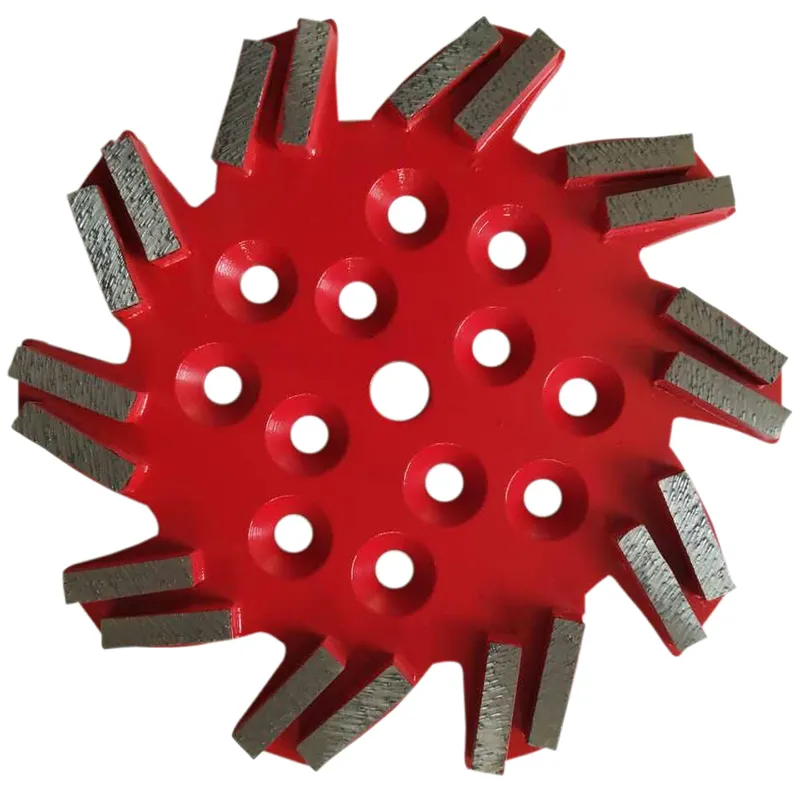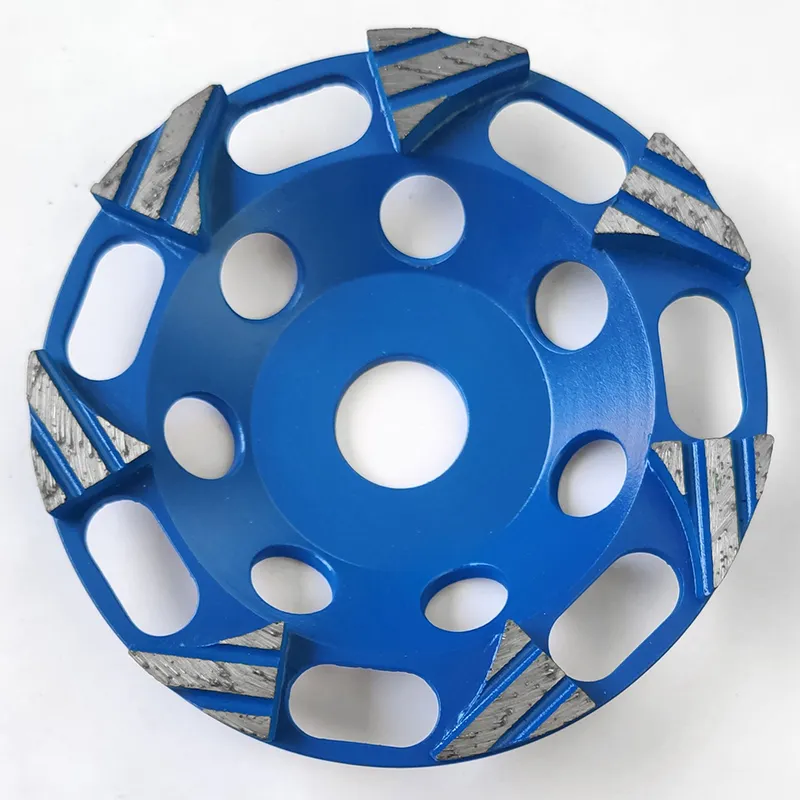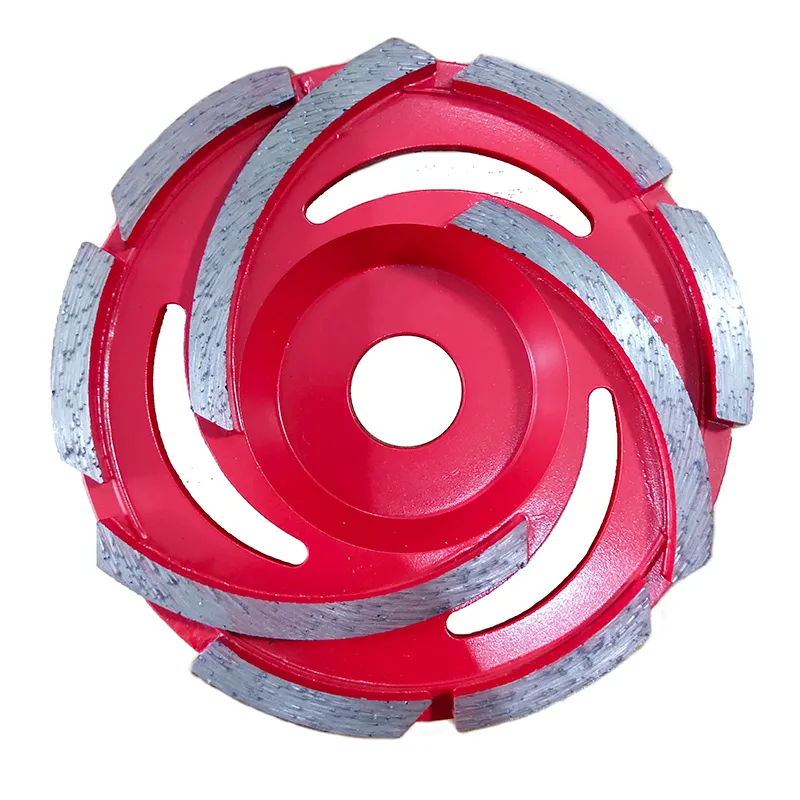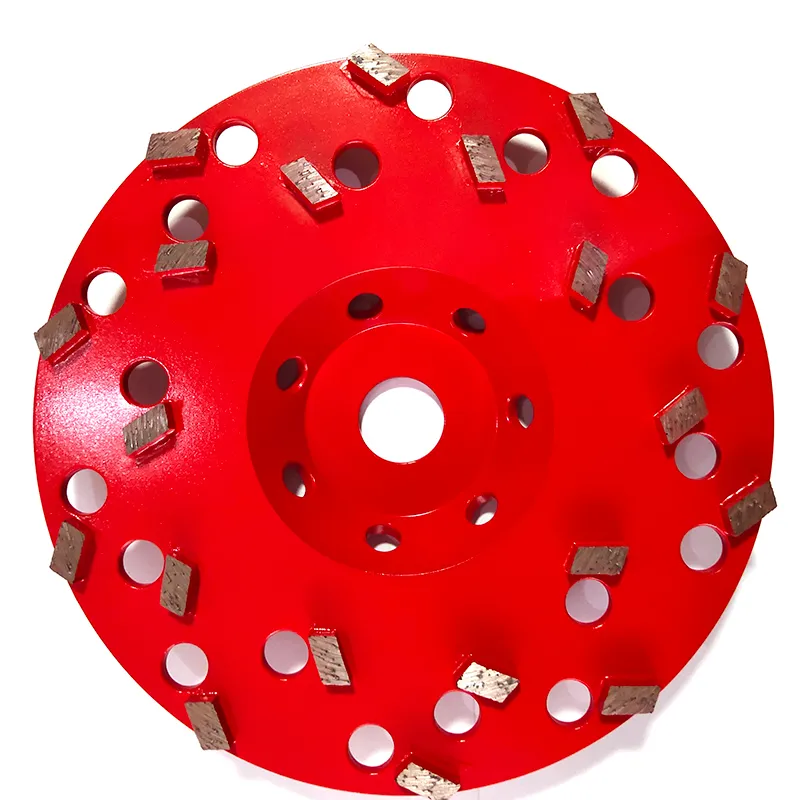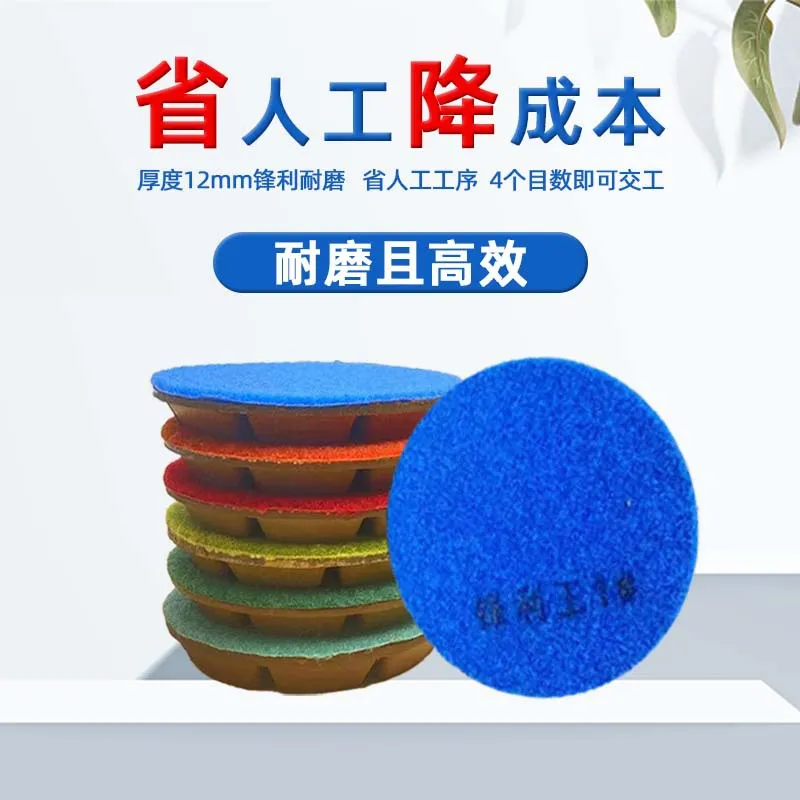

200 grit polishing pad
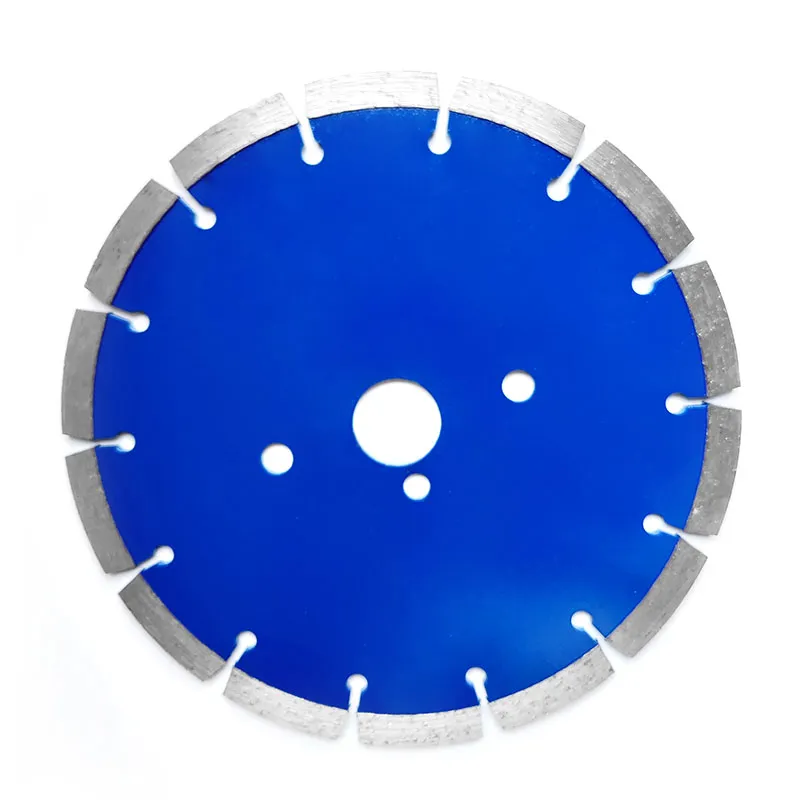
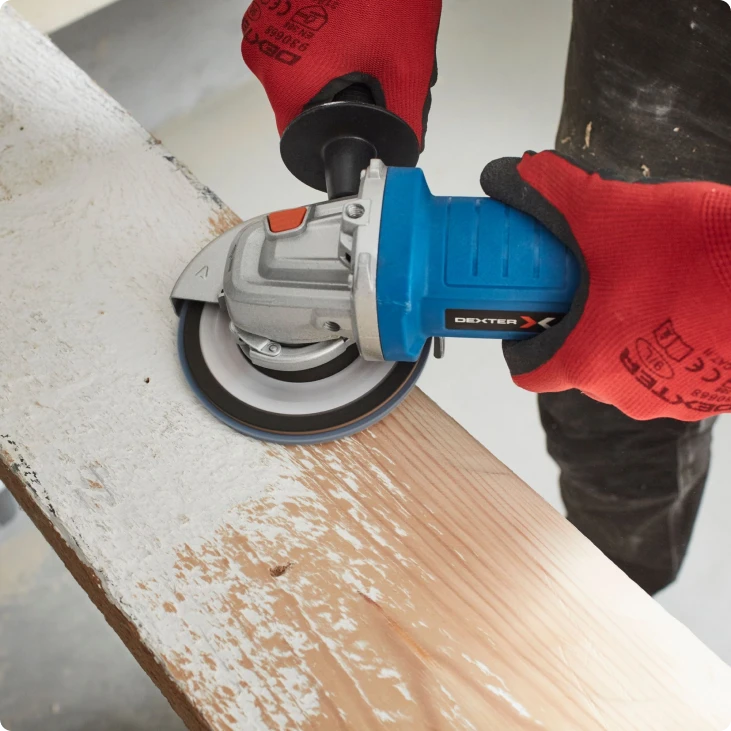
Dry polishing pads have emerged as indispensable tools across stone, concrete, ceramic, and engineered surface finishing. With increasing demand for rapid, water-free surface finishing, their applications have expanded from construction and interior decoration to precision manufacturing. This article offers a comprehensive look at dry polishing pads , covering technical parameters, application scenarios, manufacturing process, competitive advantages, certification, and case analyses. Industry Trends: Evolution of Dry Polishing Pads Demand Surge: The global stone & engineered surface polishing pad sector exceeded $780 million in 2023 ( Grand View Research ), with dry polishing pads holding a 24% market share ( ~$187M ). Environmental Focus: Adoption of wet-free polishing is growing due to easier cleanup, less water consumption, and suitability for indoor & high-value projects. Technical Upgrades: Next-gen diamond dry polishing pads deliver enhanced grit retention, higher removal rates, and lower operator fatigue, matching productivity of wet methods for stone & concrete. Regional Growth: The Asia-Pacific region is projected to witness a 7.4% CAGR in granite & concrete finishing pads 2024–2027 ( MarketsandMarkets ). Key Applications for Dry Polishing Pads Granite & Marble Fabrication: Edging, surface honing, and spiral polishing in kitchen, bath, and monument making ( dry polishing pads for granite ). Concrete Floor Polishing: Surface restoration in parking garages, commercial spaces & home interiors without water. Tile/Engineered Stone Finishing: Seamless joints and clean beveled edges in ceramic, porcelain, quartz, and composite materials. Sculpture and Artisanal Work: Refined, dust-reduced hand finishing in restoration and creative industries. Metal and Wood Applications: Hybrid diamond dry polishing pads adapt for polishing non-ferrous metals, resins, and hardwood surfaces. Technical Parameters & Product Comparison Parameter Dry Polishing Pads (MyDiamondBlade) Wet Polishing Pads Hybrid Polishing Pads Core Material Flexible resin + industrial diamond Resin + diamond Diamond + metal/resin Pad Diameter 4 inch (most popular), 3/5/7 inch 3 – 7 inch 4 – 7 inch Grit Range 50 – 3000 50 – 10000 50 – 3000 Bond Hardness Medium–soft for heat dissipation Hard to soft Medium Water Requirement No Yes (required) Optional Heat Tolerance Up to 120°C Up to 100°C Up to 130°C Average Life (m²/Pad) 38–52 45–65 42–56 Standard Certification ISO9001:2015, ANSI B7.1 ISO9001, EN13236 ISO, SGS Manufacturing Process of Dry Polishing Pads [Flowchart] 1. Material Selection Industrial-grade synthetic diamond, flexible resin, advanced color-coded mesh. → 2. Pad Molding (CNC & Press) Raw materials pressed & precision-shaped using CNC molds at ~130°C. → 3. Vulcanization & Bonding Resin matrix is vulcanized; diamond grits evenly bonded for optimal distribution. → 4. Color Coding & Labeling Grit numbers and colors applied for easy pad sequence. → 5. Inspection Pad thickness, flexibility, and diamond exposure tested to ISO/ANSI standards . → 6. Packaging Pads packaged with anti-scratch foam; batch QC documented. Figure: Dry polishing pads production process — achieved through CNC/Precision Molding, resin infusion, and diamond grits metering. [Watch: Dry Polishing Pad Factory Tour Video] Data Visualization: Performance Metrics of Dry Polishing Pads Diamond Dry Pads Resin Wet Pads Hybrid Pads Note: Dry pads achieve up to 82% of wet pad cutting speed in granite, with minimal burn marks. Market Distribution by Application: Granite 38% | Concrete 31% | Engineered Stone 17% | Artisanal/Other 14% Pad Lifetime Comparison: Dry diamond pads consistently deliver 38-52 m² per pad across multiple substrates (internal QA 2023). Technology Advantages of Dry Polishing Pads Waterless Operation: Enables fast, dust-minimal grinding in environments where water is restricted or undesired. Premium Diamond Abrasives: Resin matrix, tested for micro-crack resistance and uniform grit exposure, ensures aggressive stock removal and surface clarity. Heat Resistance: Multi-layer resin design mitigates pad warping/burning—patented ventilation groove for rapid cooling during dry polishing. Versatility: Compatible with angle grinders & polishers; sizes such as 4 inch dry polishing pads fit 98% of global hand machines ( industry estimate ). Reduced Surface Swirl: Calibrated grit size sequence and flexible pads yield mirror-like finish even on premium granite & engineered stone. Longevity: Modern dry pads offer up to 52 m² average life per pad, validated by internal QA testing. Certified Safe: Meet ISO9001:2015 process standards and ANSI B7.1 safety requirements for industrial abrasive tools. Smart Color Coding: Facilitates correct pad sequence for multi-stage finishing, essential for professional finish Manufacturer Comparison: Leading Brands in Diamond Dry Polishing Pads Brand Core Advantage Certification Lead Time (Set) Warranty MyDiamondBlade ISO-certified, CNC resin/diamond, custom pattern control ISO9001:2015, ANSI B7.1 7–15 days 6 months/replacement 3M Consistent resin bond, optimized for high-speed sanders ISO9001, SGS 20 days 3 months Raizi Hybrid flexible pads, high grit variety ISO9001 10 days Replacement DEWALT High-loading grit, extended pad locking mechanism CE, ISO 18 days 3 months Alpha Tools Pro finish sequence, color-coded grit ISO9001:2015 15 days 4 months Custom Dry Polishing Pad Solutions & Specification Options Diameter: 3” | 4” ( 4 inch dry polishing pads ) | 5” | 7” etc, for both straight and contoured edges. Diamond Grit: Ranging from #50 (coarse) for material removal to #3000 (fine) for high-gloss finishing—color-coded for sequence accuracy. Bond & Resin Hardness: Customized for soft stone (marble) or hard granite/concrete; options: soft, medium, hard resin compound. Connection Type: Velcro/Hook-n-loop backing (most common), M14/5/8”-11 threaded for direct machine fit. Engraved Branding: Company or project name/serial code for project traceability. Logo/Color: Multi-color imprint, custom-coded color per pad/grit as per client preference. Contact MyDiamondBlade for tailored diamond dry polishing pads sets suited to your surface, tools, and finish requirements. Start Your Project Consultation > Application Cases: Dry Polishing Pads in Real-World Projects Large-Scale Granite Countertop Project (2023): Client: Global Kitchen Fittings Co. Scope: 804 premium granite countertops (15,200 m²) for upmarket villa kitchens. Solution: MyDiamondBlade 4 inch dry polishing pads set (grit 50–3000) enabled waterless high-gloss finishing, reducing total project water use by 73% vs. wet method. Average surface finish (Ra) achieved: 0.09 µm. Result: Reduced project time by 21%, improved worker safety (no wet floor hazard), final delivered finish exceeded client’s gloss & swirl requirements. High-End Concrete Floor Renovation (2022, Shanghai): Client: Fortune 500 Data Center Scope: 27,000 m² of aged slab, 0.16mm flatness tolerance. Solution: Phased dry pad grinding & polishing sequence (granular hybrid diamond dry) allowed for dust capture, precise edge honing, and immediate surface usability. Result: 45% faster process vs. wet, 92% uniform gloss, operation ran with zero water drainage permit required. OEM Pad Solution for Monument Manufacturer (2024): Client: Stone Artisans Co. Scope: 3,100 units delivered, custom logo/color requested. Solution: Custom diamond dry polishing pads set (logo-engraved, M14 thread), certified to ANSI B7.1 standard for export to EU/NA. Result: Client cited “remarkable reduction in polishing labor and improved finished stone brightness for export markets.” Customer Testimonials "Since switching to dry polishing pads , our shop slashed water usage to near zero while boosting throughput. The diamond dry polishing pads from MyDiamondBlade have lasted 45 m² per pad across both marble and engineered quartz—a game changer." — M. Liao, Operations Manager, Premium Stoneworks Quality Standards & Industry Certification ISO9001:2015 Process Assurance: All MyDiamondBlade dry polishing pads manufactured under certified QA/QC system, batch-traceable. ANSI B7.1 Compliance: Certified for safety in abrasive wheels—critical for construction site compliance and insurance. Third-Party Audits: Pads subjected to abrasion and bond strength tests per industry norms ( ISO 1940 ). Collaborative Partnerships: Supplier to 22+ OEM/ODM brands worldwide since 2009. Service Years: Over 15 years of R&D in diamond abrasive solutions. Frequently Asked Technical Questions (FAQ) Q1: What is the core material used in diamond dry polishing pads? A: Premium dry polishing pads utilize a combination of industrial synthetic diamond grits and flexible, heat-resistant resin. The pad's backing often includes color-coded mesh for grit clarity. Q2: What is the grit sequence for optimum granite/stone polishing? A: For granite —progress through #50, #100, #200, #400, #800, #1500, and #3000. Each finer grit removes scratches from the previous stage. Use 4 inch dry polishing pads for most hand polishers. Q3: How do you install dry polishing pads on a grinder? A: Most pads use hook-n-loop (Velcro) or M14/5/8”-11 threaded backs. Simply press the pad onto the compatible polisher head, or screw it on for threaded styles. Check manufacturer torque specs. Q4: What is the lifetime of a typical diamond dry polishing pad ? A: Based on substrate and machine speed, pads last 38–52 m² (internal QA testing, 2023). Denser substrates (granite) may yield slightly lower life than softer stones. Q5: Are dry polishing pads safe for indoor air quality? A: Yes. Compared to wet polishing, dry pads minimize slurry and are often used with dust shrouds or vacuums. All MyDiamondBlade pads comply with ANSI B7.1 dust safety standards. Q6: What are the key installation standards for industrial use? A: Always follow tool manufacturer’s max. RPM (e.g., 4500–6000 rpm for 4 inch dry pads), check for pad flatness, and avoid excessive pressure to prevent heat build-up. Q7: Do dry polishing pads require a specific pressure or speed? A: Use light, even pressure (~2–3 kg) and tool speeds of 3000–6000 rpm for best finish without overheating. Excessive speed can cause resin glaze and premature pad wear. Delivery, Warranty & Customer Support Lead Time: Standard SKU— 7–15 days ; Custom pads/sets— 10–20 days depending on specs. Warranty: 6 months material/fitment guarantee; replacement if quality or grit sequencing defect proven via sample/photo. Technical Support: Pad selection, machine compatibility, on-site troubleshooting guidance. Available via email, WhatsApp, or video call. OEM/ODM Service: For bulk/brand contracts, custom branding, logo, colors, and technical documentation provided. Post-Sale: Feedback-based pad improvement; official user certification for professional finishers available on request. Conclusion & Authoritative References Dry polishing
-
 30000M2Floor Space
 -
 100+Team size
 -
 20+Production experience
 -
 120+Export Countries
200 grit polishing pad
Dry polishing pads have emerged as indispensable tools across stone, concrete, ceramic, and engineered surface finishing. With increasing demand for rapid, water-free surface finishing, their applications have expanded from construction and interior decoration to precision manufacturing. This article offers a comprehensive look at dry polishing pads , covering technical parameters, application scenarios, manufacturing process, competitive advantages, certification, and case analyses. Industry Trends: Evolution of Dry Polishing Pads Demand Surge: The global stone & engineered surface polishing pad sector exceeded $780 million in 2023 ( Grand View Research ), with dry polishing pads holding a 24% market share ( ~$187M ). Environmental Focus: Adoption of wet-free polishing is growing due to easier cleanup, less water consumption, and suitability for indoor & high-value projects. Technical Upgrades: Next-gen diamond dry polishing pads deliver enhanced grit retention, higher removal rates, and lower operator fatigue, matching productivity of wet methods for stone & concrete. Regional Growth: The Asia-Pacific region is projected to witness a 7.4% CAGR in granite & concrete finishing pads 2024–2027 ( MarketsandMarkets ). Key Applications for Dry Polishing Pads Granite & Marble Fabrication: Edging, surface honing, and spiral polishing in kitchen, bath, and monument making ( dry polishing pads for granite ). Concrete Floor Polishing: Surface restoration in parking garages, commercial spaces & home interiors without water. Tile/Engineered Stone Finishing: Seamless joints and clean beveled edges in ceramic, porcelain, quartz, and composite materials. Sculpture and Artisanal Work: Refined, dust-reduced hand finishing in restoration and creative industries. Metal and Wood Applications: Hybrid diamond dry polishing pads adapt for polishing non-ferrous metals, resins, and hardwood surfaces. Technical Parameters & Product Comparison Parameter Dry Polishing Pads (MyDiamondBlade) Wet Polishing Pads Hybrid Polishing Pads Core Material Flexible resin + industrial diamond Resin + diamond Diamond + metal/resin Pad Diameter 4 inch (most popular), 3/5/7 inch 3 – 7 inch 4 – 7 inch Grit Range 50 – 3000 50 – 10000 50 – 3000 Bond Hardness Medium–soft for heat dissipation Hard to soft Medium Water Requirement No Yes (required) Optional Heat Tolerance Up to 120°C Up to 100°C Up to 130°C Average Life (m²/Pad) 38–52 45–65 42–56 Standard Certification ISO9001:2015, ANSI B7.1 ISO9001, EN13236 ISO, SGS Manufacturing Process of Dry Polishing Pads [Flowchart] 1. Material Selection Industrial-grade synthetic diamond, flexible resin, advanced color-coded mesh. → 2. Pad Molding (CNC & Press) Raw materials pressed & precision-shaped using CNC molds at ~130°C. → 3. Vulcanization & Bonding Resin matrix is vulcanized; diamond grits evenly bonded for optimal distribution. → 4. Color Coding & Labeling Grit numbers and colors applied for easy pad sequence. → 5. Inspection Pad thickness, flexibility, and diamond exposure tested to ISO/ANSI standards . → 6. Packaging Pads packaged with anti-scratch foam; batch QC documented. Figure: Dry polishing pads production process — achieved through CNC/Precision Molding, resin infusion, and diamond grits metering. [Watch: Dry Polishing Pad Factory Tour Video] Data Visualization: Performance Metrics of Dry Polishing Pads Diamond Dry Pads Resin Wet Pads Hybrid Pads Note: Dry pads achieve up to 82% of wet pad cutting speed in granite, with minimal burn marks. Market Distribution by Application: Granite 38% | Concrete 31% | Engineered Stone 17% | Artisanal/Other 14% Pad Lifetime Comparison: Dry diamond pads consistently deliver 38-52 m² per pad across multiple substrates (internal QA 2023). Technology Advantages of Dry Polishing Pads Waterless Operation: Enables fast, dust-minimal grinding in environments where water is restricted or undesired. Premium Diamond Abrasives: Resin matrix, tested for micro-crack resistance and uniform grit exposure, ensures aggressive stock removal and surface clarity. Heat Resistance: Multi-layer resin design mitigates pad warping/burning—patented ventilation groove for rapid cooling during dry polishing. Versatility: Compatible with angle grinders & polishers; sizes such as 4 inch dry polishing pads fit 98% of global hand machines ( industry estimate ). Reduced Surface Swirl: Calibrated grit size sequence and flexible pads yield mirror-like finish even on premium granite & engineered stone. Longevity: Modern dry pads offer up to 52 m² average life per pad, validated by internal QA testing. Certified Safe: Meet ISO9001:2015 process standards and ANSI B7.1 safety requirements for industrial abrasive tools. Smart Color Coding: Facilitates correct pad sequence for multi-stage finishing, essential for professional finish Manufacturer Comparison: Leading Brands in Diamond Dry Polishing Pads Brand Core Advantage Certification Lead Time (Set) Warranty MyDiamondBlade ISO-certified, CNC resin/diamond, custom pattern control ISO9001:2015, ANSI B7.1 7–15 days 6 months/replacement 3M Consistent resin bond, optimized for high-speed sanders ISO9001, SGS 20 days 3 months Raizi Hybrid flexible pads, high grit variety ISO9001 10 days Replacement DEWALT High-loading grit, extended pad locking mechanism CE, ISO 18 days 3 months Alpha Tools Pro finish sequence, color-coded grit ISO9001:2015 15 days 4 months Custom Dry Polishing Pad Solutions & Specification Options Diameter: 3” | 4” ( 4 inch dry polishing pads ) | 5” | 7” etc, for both straight and contoured edges. Diamond Grit: Ranging from #50 (coarse) for material removal to #3000 (fine) for high-gloss finishing—color-coded for sequence accuracy. Bond & Resin Hardness: Customized for soft stone (marble) or hard granite/concrete; options: soft, medium, hard resin compound. Connection Type: Velcro/Hook-n-loop backing (most common), M14/5/8”-11 threaded for direct machine fit. Engraved Branding: Company or project name/serial code for project traceability. Logo/Color: Multi-color imprint, custom-coded color per pad/grit as per client preference. Contact MyDiamondBlade for tailored diamond dry polishing pads sets suited to your surface, tools, and finish requirements. Start Your Project Consultation > Application Cases: Dry Polishing Pads in Real-World Projects Large-Scale Granite Countertop Project (2023): Client: Global Kitchen Fittings Co. Scope: 804 premium granite countertops (15,200 m²) for upmarket villa kitchens. Solution: MyDiamondBlade 4 inch dry polishing pads set (grit 50–3000) enabled waterless high-gloss finishing, reducing total project water use by 73% vs. wet method. Average surface finish (Ra) achieved: 0.09 µm. Result: Reduced project time by 21%, improved worker safety (no wet floor hazard), final delivered finish exceeded client’s gloss & swirl requirements. High-End Concrete Floor Renovation (2022, Shanghai): Client: Fortune 500 Data Center Scope: 27,000 m² of aged slab, 0.16mm flatness tolerance. Solution: Phased dry pad grinding & polishing sequence (granular hybrid diamond dry) allowed for dust capture, precise edge honing, and immediate surface usability. Result: 45% faster process vs. wet, 92% uniform gloss, operation ran with zero water drainage permit required. OEM Pad Solution for Monument Manufacturer (2024): Client: Stone Artisans Co. Scope: 3,100 units delivered, custom logo/color requested. Solution: Custom diamond dry polishing pads set (logo-engraved, M14 thread), certified to ANSI B7.1 standard for export to EU/NA. Result: Client cited “remarkable reduction in polishing labor and improved finished stone brightness for export markets.” Customer Testimonials "Since switching to dry polishing pads , our shop slashed water usage to near zero while boosting throughput. The diamond dry polishing pads from MyDiamondBlade have lasted 45 m² per pad across both marble and engineered quartz—a game changer." — M. Liao, Operations Manager, Premium Stoneworks Quality Standards & Industry Certification ISO9001:2015 Process Assurance: All MyDiamondBlade dry polishing pads manufactured under certified QA/QC system, batch-traceable. ANSI B7.1 Compliance: Certified for safety in abrasive wheels—critical for construction site compliance and insurance. Third-Party Audits: Pads subjected to abrasion and bond strength tests per industry norms ( ISO 1940 ). Collaborative Partnerships: Supplier to 22+ OEM/ODM brands worldwide since 2009. Service Years: Over 15 years of R&D in diamond abrasive solutions. Frequently Asked Technical Questions (FAQ) Q1: What is the core material used in diamond dry polishing pads? A: Premium dry polishing pads utilize a combination of industrial synthetic diamond grits and flexible, heat-resistant resin. The pad's backing often includes color-coded mesh for grit clarity. Q2: What is the grit sequence for optimum granite/stone polishing? A: For granite —progress through #50, #100, #200, #400, #800, #1500, and #3000. Each finer grit removes scratches from the previous stage. Use 4 inch dry polishing pads for most hand polishers. Q3: How do you install dry polishing pads on a grinder? A: Most pads use hook-n-loop (Velcro) or M14/5/8”-11 threaded backs. Simply press the pad onto the compatible polisher head, or screw it on for threaded styles. Check manufacturer torque specs. Q4: What is the lifetime of a typical diamond dry polishing pad ? A: Based on substrate and machine speed, pads last 38–52 m² (internal QA testing, 2023). Denser substrates (granite) may yield slightly lower life than softer stones. Q5: Are dry polishing pads safe for indoor air quality? A: Yes. Compared to wet polishing, dry pads minimize slurry and are often used with dust shrouds or vacuums. All MyDiamondBlade pads comply with ANSI B7.1 dust safety standards. Q6: What are the key installation standards for industrial use? A: Always follow tool manufacturer’s max. RPM (e.g., 4500–6000 rpm for 4 inch dry pads), check for pad flatness, and avoid excessive pressure to prevent heat build-up. Q7: Do dry polishing pads require a specific pressure or speed? A: Use light, even pressure (~2–3 kg) and tool speeds of 3000–6000 rpm for best finish without overheating. Excessive speed can cause resin glaze and premature pad wear. Delivery, Warranty & Customer Support Lead Time: Standard SKU— 7–15 days ; Custom pads/sets— 10–20 days depending on specs. Warranty: 6 months material/fitment guarantee; replacement if quality or grit sequencing defect proven via sample/photo. Technical Support: Pad selection, machine compatibility, on-site troubleshooting guidance. Available via email, WhatsApp, or video call. OEM/ODM Service: For bulk/brand contracts, custom branding, logo, colors, and technical documentation provided. Post-Sale: Feedback-based pad improvement; official user certification for professional finishers available on request. Conclusion & Authoritative References Dry polishing
-
30000M2Floor Space
-
100+Team size
-
20+Production experience
-
120+Export Countries